

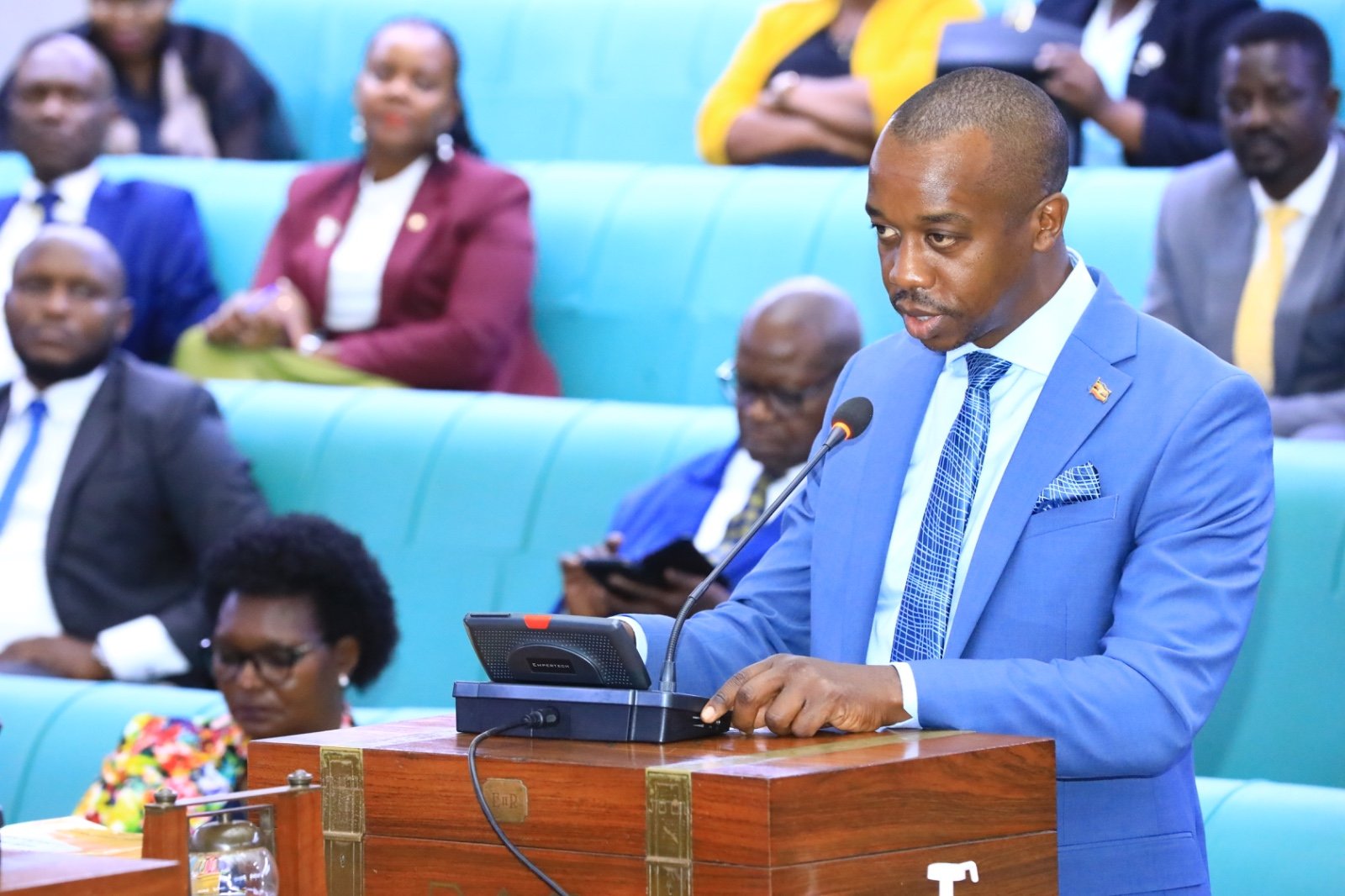
Uganda Parliament Declares Sickle Cell Disease a Public Health Crisis, Calls for Urgent Funding

KAMPALA, UGANDA – Uganda’s Parliament has officially recognized sickle cell disease (SCD) as a major public health crisis, adopting a motion that urges the government to allocate immediate budgetary resources to combat the condition. The move comes as new data reveals the staggering toll the genetic disorder takes on the nation, particularly its youngest citizens.
The motion, moved by Hon. Asuman Basalirwa (Bugiri Municipality), highlighted Uganda’s position as having one of the highest burdens of the disease globally. According to the parliamentary debate, the national sickle cell trait prevalence stands at 13.3%, meaning approximately one in every seven Ugandans is a carrier.
The most alarming statistics presented to the House concern child mortality. Lawmakers were told that an estimated 20,000 babies are born with sickle cell disease every year. Tragically, between 6,000 and 9,000 of these children die before reaching their fifth birthday, a crisis largely attributed to a lack of early diagnosis and inadequate access to comprehensive care.
A Multi-Pronged Approach to a “Monster”
During the debate, members of Parliament proposed a range of solutions to address the crisis, from public awareness to advanced medical technology.
Hon. Dr. Charles Ayume suggested the country adopt pre-marriage screening for the sickle cell trait, drawing a parallel to the mandatory HIV certification requirements implemented in the past. To help drive awareness, he proposed enlisting prominent social figures, including the Speaker of Parliament and popular influencers, to amplify the message.
In a move reflecting modern medical advancements, Hon. Victor Nekesa, a representative of the Uganda People’s Defence Force (UPDF), called for the adoption of technologies like In Vitro Fertilisation (IVF). This, she argued, would allow couples who are both carriers to have children without passing on the genetic disorder.
Government Response
The government, through Chief Whip Hon. Hamson Obua, welcomed the parliamentary motion, assuring the House that the fight against sickle cell is already being integrated into the national health system by the Ministry of Health.
“We are trying our best to ensure the availability of essential medicine,” Hon. Obua said during the plenary session. “We are also encouraging public-private partnerships to complement efforts of government in sensitising communities about this monster.” He noted recent launches of newborn screening initiatives and confirmed plans to improve the supply of essential drugs like hydroxyurea, which can significantly reduce the complications of SCD.
A Step Towards Easing the Burden
Advocates and lawmakers have praised the motion’s passage as a critical first step toward easing not only the physical and emotional suffering of families but also the broader economic strain caused by the disease. The resolution now places significant pressure on the treasury to back its commitment with substantial funding, with the goal of transforming the statistics and saving thousands of young lives.
About The Author