
Uganda and China EXIM Bank Forge Strategic Partnership to Drive Industrialization and Trade
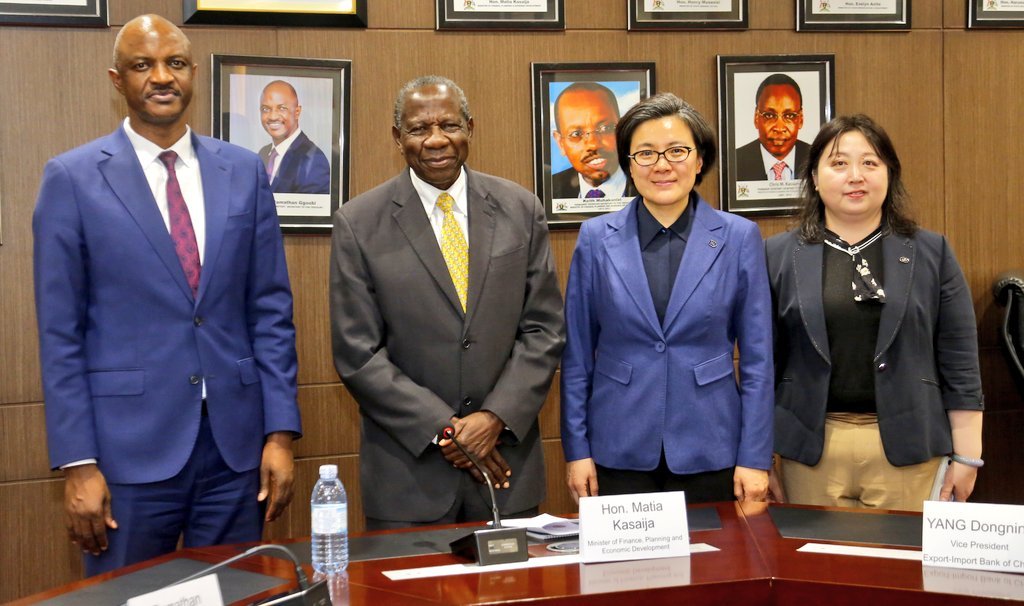
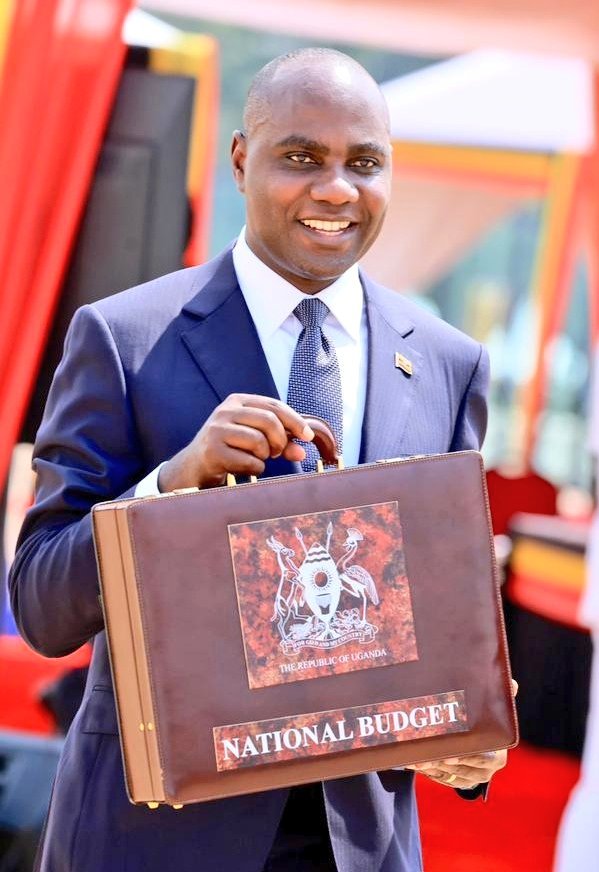
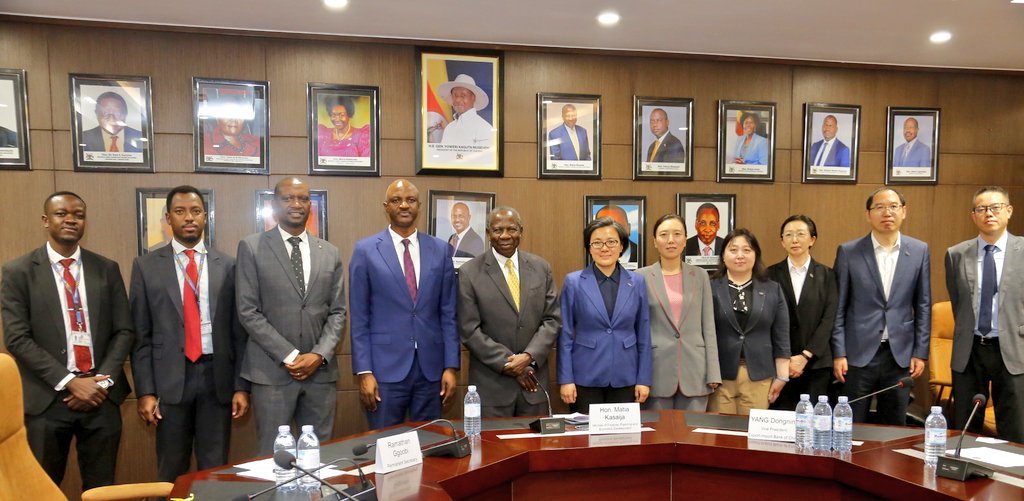
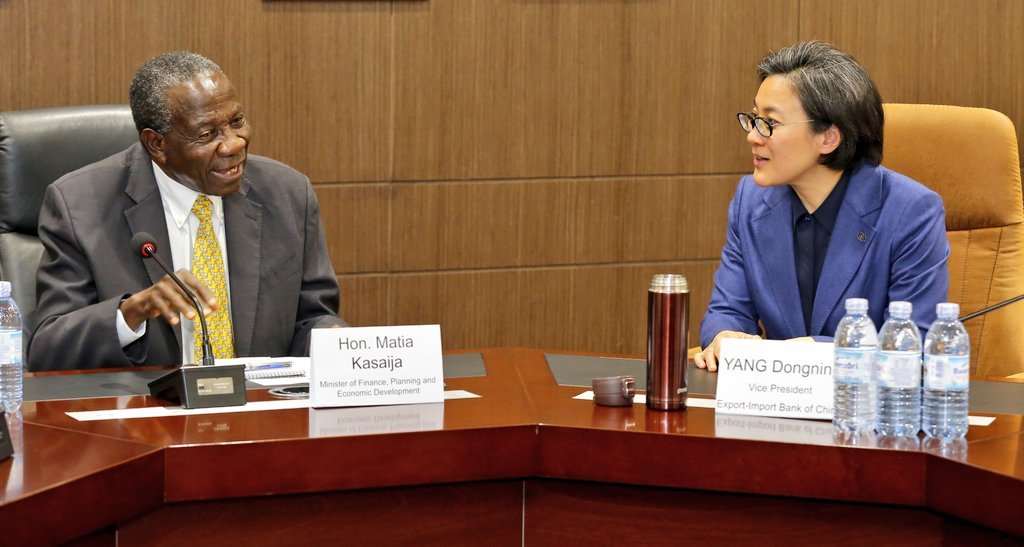
KAMPALA — Uganda’s Minister of Finance, Planning and Economic Development, Matia Kasaija, has held high-level talks with a delegation from the Export-Import Bank of China (China EXIM Bank) aimed at accelerating the country’s industrialisation and long-term economic transformation.
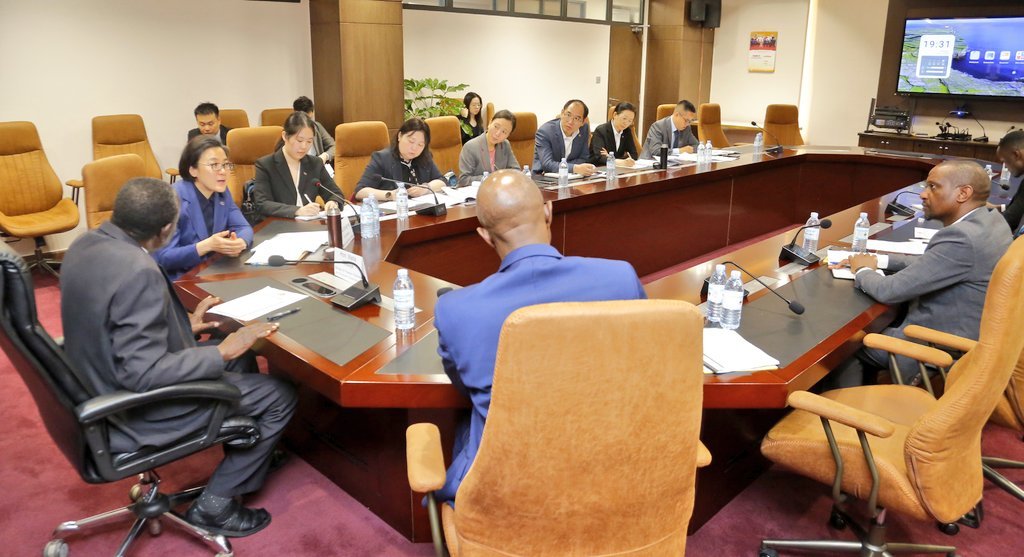
During the meeting in Kampala, Minister Kasaija, flanked by the Permanent Secretary and Secretary to the Treasury (PSST), Dr. Ramathan Ggoobi, hosted the delegation led by China EXIM Bank Vice President, Dr. Yang Dongning. The discussions centered on deepening the bilateral partnership to support Uganda’s next phase of growth.
Kasaija outlined that Uganda’s development strategy will be anchored on the “ATMS” framework, focusing on Agro-industrialization; Tourism; Minerals (including oil and gas); and Science, Technology, and Innovation. He specifically highlighted the need to boost value addition in key agricultural exports such as coffee, cotton, and tea, as well as the minerals sector.
The Minister emphasized Uganda’s ambition to move away from exporting raw materials to prioritize processing and manufacturing. This shift, he noted, is crucial for the country to fully benefit from international trade agreements, including China’s zero-tariff policy on exports, and to secure better access to global markets.
On behalf of the Government of Uganda, Kasaija expressed profound gratitude to the People’s Republic of China for its longstanding technical and financial support across critical sectors, including transport infrastructure, energy generation, and health.
Boosting Investment through ‘Uganda Day’
In a significant outcome of the talks, Vice President Yang Dongning committed to organizing a “Uganda Day” in China. The event is designed to serve as a dedicated platform to mobilize potential Chinese investors, showcase Uganda’s investment opportunities, and facilitate direct connections between Ugandan enterprises and Chinese manufacturers and financiers.
This initiative is expected to bolster economic diplomacy and strengthen private sector linkages, positioning Uganda as a premier investment destination within Africa.
Scaling Up Industrial Parks and Financing
Both delegations agreed on the need to scale up support for industrial parks. The focus will be on improving land access, utilities, and logistics infrastructure to enhance productivity and attract large-scale investments.
Reaffirming China EXIM Bank’s commitment to Uganda’s development goals, Dr. Yang outlined a diversified and modern financing framework to support the country’s growth ambitions. This framework includes:
· Trade finance to support Ugandan importers and exporters.
· Blended financing models combining loans and equity.
· Equity investments and strategic partnerships.
· Syndicated financing arrangements and other tailored financial products.
Minister Kasaija stressed the importance of adopting flexible and innovative financing structures to facilitate large-scale investments and expedite the implementation of priority projects.
Focus on Skills Development
Recognizing that industrial expansion requires a capable workforce, both sides underscored the necessity of strengthening Technical and Vocational Education and Training (TVET). They agreed that upskilling Uganda’s labor force is essential to meet the requirements of new investors and support the country’s growing industrial base.
The meeting marks a major step in consolidating the economic partnership between Uganda and China, setting the stage for increased investment flows and accelerated industrial growth.
About The Author