
Government Intensifies Ebola Response as Uganda Confirms Two Imported Cases
KAMPALA, Uganda – The Ugandan government has ramped up emergency response measures following the confirmation of two imported cases of the Ebola Virus Disease (EVD) involving the rare Bundibugyo strain, for which there is currently no approved vaccine or treatment.
According to the Ministry of Health, the two cases involve Congolese nationals who arrived from the Democratic Republic of Congo (DRC), where a growing outbreak has been declared a global health emergency by the World Health Organization. Ugandan health officials have confirmed one fatality, while the second patient is recovering steadily and is now considered out of danger.
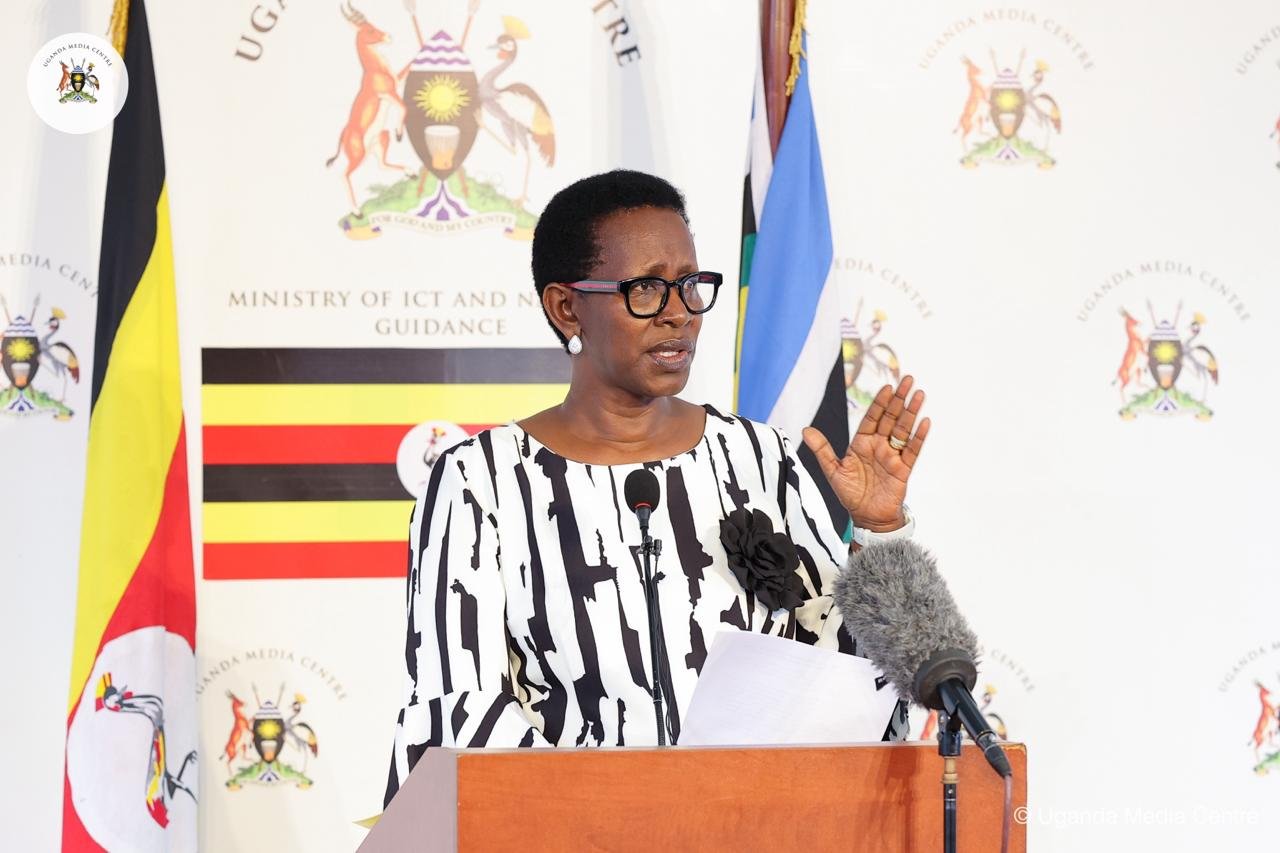
Addressing a briefing at the Uganda Media Centre, the Permanent Secretary of the Ministry of Health, Dr. Diana Atwine, disclosed that the surviving patient tested negative for Ebola on May 18 and again on May 20. She is currently being managed for existing comorbidities.
Dr. Atwine further revealed that 127 contacts have been identified and placed under institutional quarantine as part of ongoing containment efforts.
Clarifications on Support and Treatment Centers
The government’s announcement comes amid a flurry of international support and some public confusion. The Ministry of Foreign Affairs issued a clarification in response to an earlier Fox News report that an American doctor who treated Ebola patients in Uganda had been evacuated. The Ministry stated that the doctor in question was in the DRC, not Uganda, and reiterated that there is currently no Ebola outbreak on Ugandan territory.
Meanwhile, the Ministry of Health has urged international partners to coordinate their aid. This follows a social media statement from the account @USForeignAssist, announcing that the United States is funding the establishment of up to 50 treatment clinics in Ebola-affected regions of the DRC and Uganda.
In response, the Ministry of Health noted it has not been engaged regarding the establishment of these specific treatment centers within the country. The Ministry encouraged partners to ensure that any publicly declared support is “clearly communicated, discussed, coordinated, and aligned with the national Ebola response plan” to avoid duplication and ensure proper accountability.
National Task Force Announces Resolutions
Following an emergency meeting of the National Task Force convened by Vice President Jessica Alupo, the government has issued a series of immediate resolutions to prevent the spread of the virus:
· Suspension of Cross-Border Transport: All public passenger services on ferries on the Semliki River, cross-border bus transport, and public transport between the DRC and Uganda are suspended for four weeks. Goods and food transport will continue.
· Border Control: Enhanced security patrols along porous borders and the suspension of all flights to and from the DRC to Uganda, effective within 48 hours.
· Restrictions on Gatherings: Temporary suspension of all cultural celebrations, commemorations, and weekly markets in border sub-counties for the next four weeks.
· School Guidance: Schools will reopen on schedule but must strictly observe the Ministry of Health’s Standard Operating Procedures (SOPs).
· Mass Sensitization: Nationwide risk awareness campaigns will be intensified using radios, TVs, social media, and local institutions.
The Ministry of Health continues to urge the public to remain calm and vigilant, observe all health guidelines, and report any suspected cases to the nearest health facility immediately.
MOHatWork | #FightEbolaUG26
About The Author