
Museums Can Unite a Divided World — Minister Urges Stronger Cultural Ties at International Museum Day 2026
JINJA CITY – Monday, May 18, 2026 — Museums are no longer mere repositories of artifacts but dynamic centres of education, dialogue, reconciliation, and community engagement capable of bridging a divided world, the Minister of Tourism, Wildlife and Antiquities, Hon. Col. (Rtd.) Tom Butime, has said.
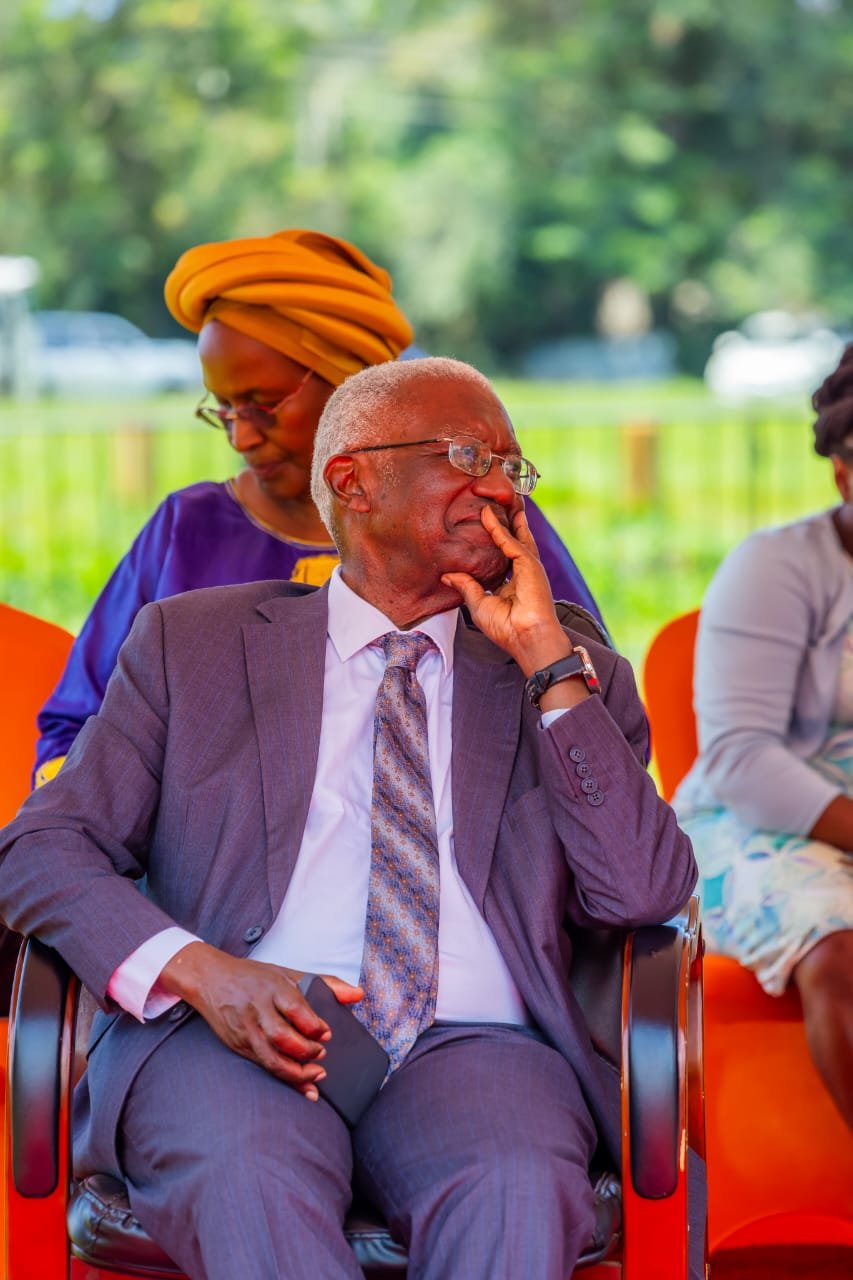
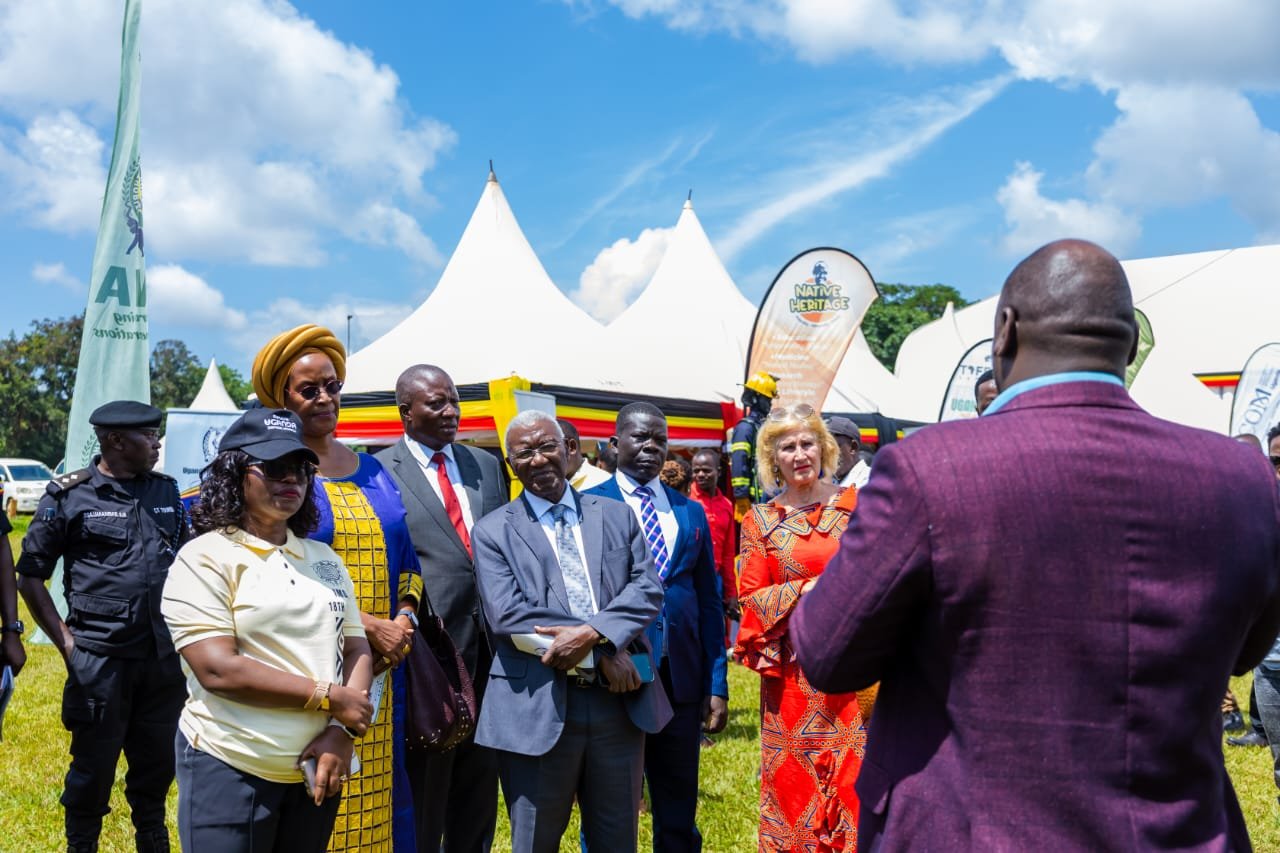
Speaking as Guest of Honour at the national celebration of International Museum Day (IMD) 2026 held at Rugby Grounds in Jinja City, the Minister called on Ugandans to embrace museums as trusted institutions that foster understanding and rebuild social cohesion amid growing global divisions rooted in conflict, inequality, intolerance, and cultural fragmentation.
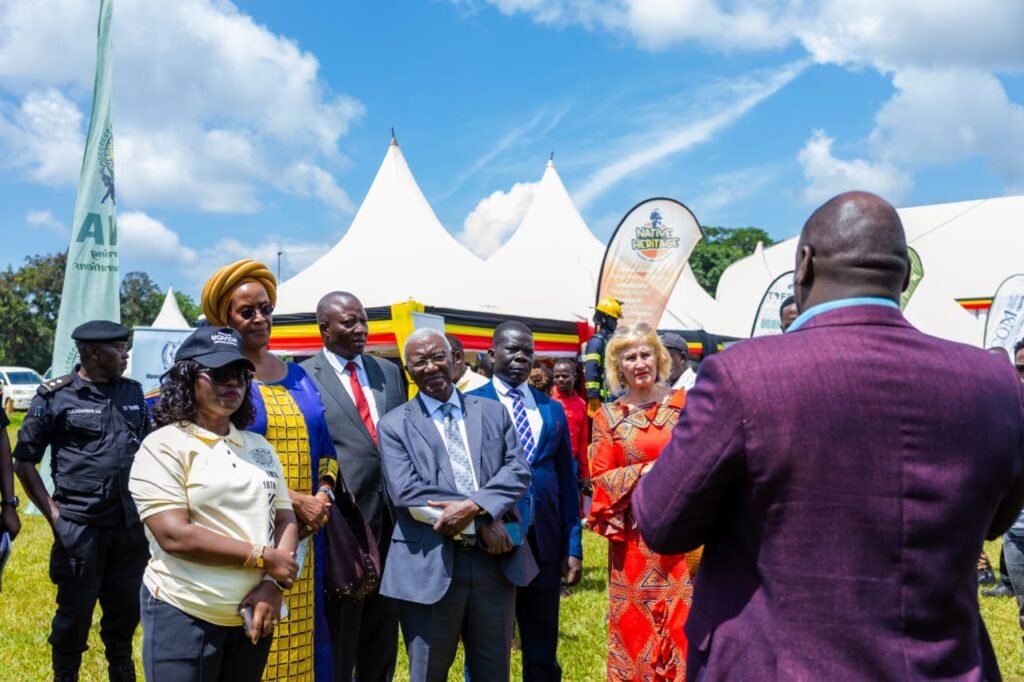
“Across the world, humanity is increasingly confronted by divisions. In such a world, museums stand out as trusted institutions capable of fostering understanding and rebuilding social cohesion,” Hon. Butime said. “Museums preserve collective memory, provide spaces for intercultural dialogue, and help societies appreciate diversity as a source of strength rather than division.”
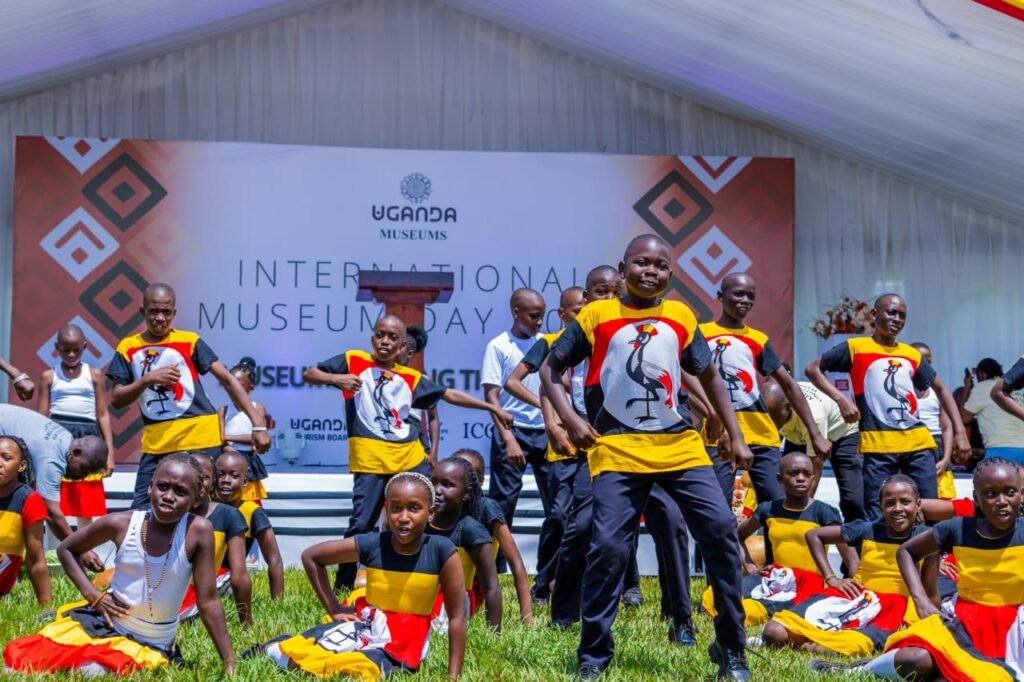
This year’s global theme is “Museums Uniting a Divided World” while Uganda’s national theme is “Museums as Bridges of Unity and Shared Heritage.”
Museums as Bridges
The Minister emphasized that museums serve as bridges in several crucial ways — connecting generations, uniting different communities, linking the past and future, and fostering intercultural cooperation between nations.
“Development that disregards culture creates societies disconnected from their roots and uncertain about their future,” Hon. Butime warned. “As we modernize our cities and embrace globalization, we must ensure that progress does not erase the heritage that defines us.”
The Permanent Secretary of the Ministry, Ms. Doreen Katusiime, who welcomed guests to the celebration, echoed these sentiments, noting that International Museum Day is more than a ceremonial occasion.
“Museums emerge not merely as institutions that preserve artifacts but as inclusive spaces where people can engage in dialogue, reflect on shared histories, learn, reconcile, appreciate diversity, and build empathy,” Ms. Katusiime said.
Government Investments in Heritage
The Ministry announced several key investments in Uganda’s museum infrastructure, including:
· Significant refurbishment of the Uganda Museum, set to reopen soon with improved visitor experiences
· Refurbishment of the Mugaba Palace Heritage Site in Mbarara City
· Ongoing construction of the Karamoja Regional Museum in Moroto
· Preservation works at the Mwanga–Kabalega heritage site at Kangai in Dokolo District
Several historic buildings have also been gazetted for legal protection, including the Parliament of Uganda, National Theatre, Namirembe Cathedral, Rubaga Cathedral, Namugongo Martyrs Shrine, and multiple historical buildings in Jinja City.
Jinja’s Strategic Role
The choice of Jinja City as host for IMD 2026 was described as deliberate and strategic. Jinja, known as the source of the Nile and a historic industrial centre, represents an important intersection of Uganda’s cultural, industrial, and tourism heritage.
“Hosting this celebration here enables us to extend heritage awareness and tourism opportunities to communities within the Busoga sub-region and beyond,” the Minister noted.
Youth and Digital Engagement
Both officials emphasized the need for museums to evolve to remain relevant to young people and marginalized communities. The Ministry is promoting interactive exhibitions, digital engagement through virtual platforms, educational programmes, heritage clubs, and community dialogues.
“The future of heritage conservation depends on empowering the next generation to appreciate, preserve, and innovate around cultural heritage,” Ms. Katusiime said.
Hon. Butime added: “Heritage belongs to all of us, but its future rests particularly in the hands of the youth.”
Shared Responsibility
The Permanent Secretary stressed that heritage conservation is a shared responsibility, requiring collaboration among communities, cultural leaders, local governments, academia, civil society, development partners, and the private sector.
Ms. Katusiime commended the National Organising Committee and Local Organising Committee, including ICOM Uganda, MOFA, USAGA, Jinja City Council, and numerous other partners, for their dedication to advancing Uganda’s cultural heritage agenda.
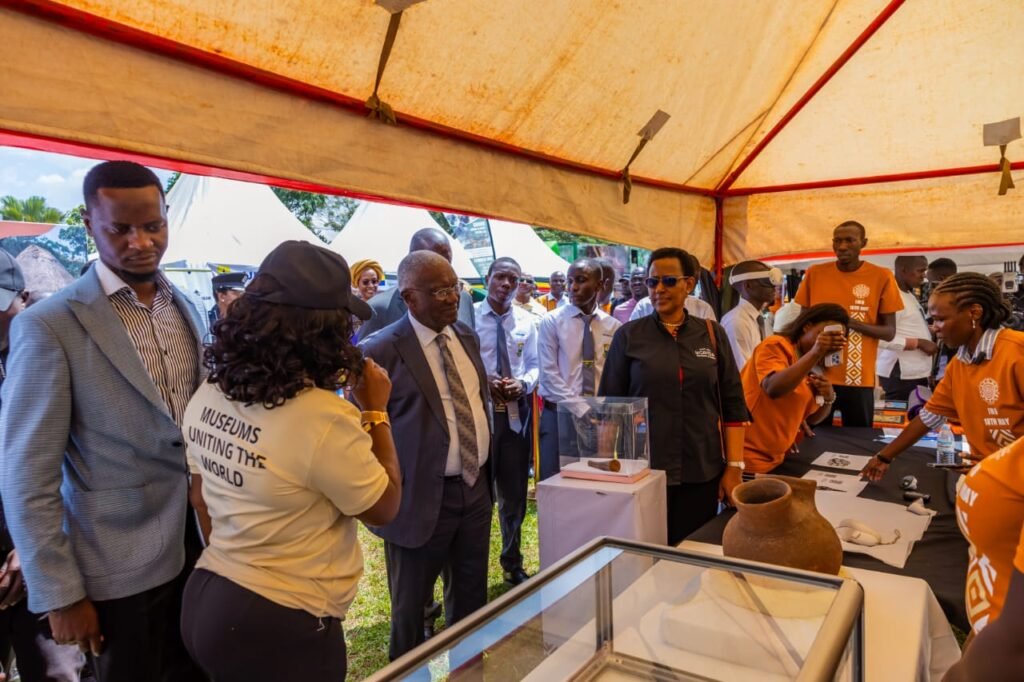
The celebrations featured public exhibitions, youth engagements, storytelling forums, educational activities, community dialogues, digital outreach, and heritage awareness campaigns.
“Let our museums continue to serve as bridges — between communities, between generations, between nations, between memory and aspiration, and toward a peaceful, inclusive, and sustainable future,” Hon. Butime declared as he officially opened the celebrations.
The event was attended by Members of Parliament, cultural and religious leaders, representatives of UNESCO and development partners, museum professionals, academia, and members of the creative and tourism industry.
For God and My Country
About The Author