
Zimbabwe to Return 67 Seized Farms to European Owners in Bid to Rebuild Investor Confidence
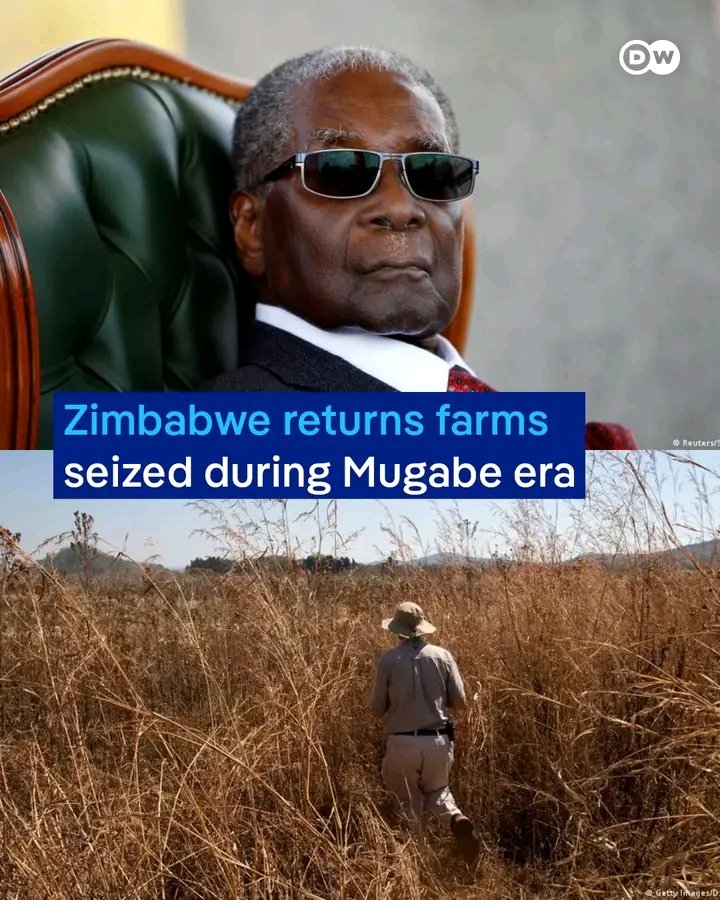
HARARE, Zimbabwe – Zimbabwe’s government has announced it will return 67 farms previously seized from European owners, marking a significant shift in land policy as the country seeks to honor international obligations and restore relations with Western governments.
Agriculture Minister Anxious Masuka told lawmakers that the affected farms are protected under bilateral investment treaties signed with several European nations, including Germany, the Netherlands, Switzerland, and Denmark.
“The decision reflects our commitment to upholding international agreements and rebuilding trust with foreign investors,” Masuka said, according to local media reports.
The move aims to close a long-running chapter of land disputes that began in the early 2000s under the late President Robert Mugabe. During that period, thousands of white-owned farms were forcibly seized as part of a controversial land reform program. The seizures triggered prolonged legal battles, prompted international sanctions, and contributed to a sharp economic downturn.
Zimbabwe’s current administration has pledged to resolve outstanding compensation claims and improve ties with Western capitals that deteriorated under Mugabe’s rule. Officials say returning the 67 farms is part of broader efforts to signal that the country is open for business and respects the rule of law.
While the announcement applies specifically to European-owned farms protected by bilateral treaties, it remains unclear whether similar returns are planned for other seized properties. The government has not yet released a timeline for the handovers.
The land reform program, launched more than two decades ago, remains a deeply sensitive issue in Zimbabwe. Supporters argued it was necessary to correct colonial-era land imbalances, while critics blamed it for destroying the agricultural sector and displacing thousands of farmworkers.
Analysts say the latest move could help ease tensions with European nations and pave the way for renewed economic cooperation, though some landowners who lost their property decades ago may still pursue further compensation claims.
About The Author