
Rolls-Royce Uganda Row Takes Sharp Turn as Activist Invokes Nazi-Era BMW Slave Labor & Colonial Ties
KAMPALA, Uganda – A dramatic social media appeal to Rolls‑Royce Motor Cars over the confiscation of a luxury vehicle in Uganda has backfired spectacularly after the same author pivoted to accuse the brand—and its parent company BMW—of benefiting from Nazi forced labor and British colonial exploitation.
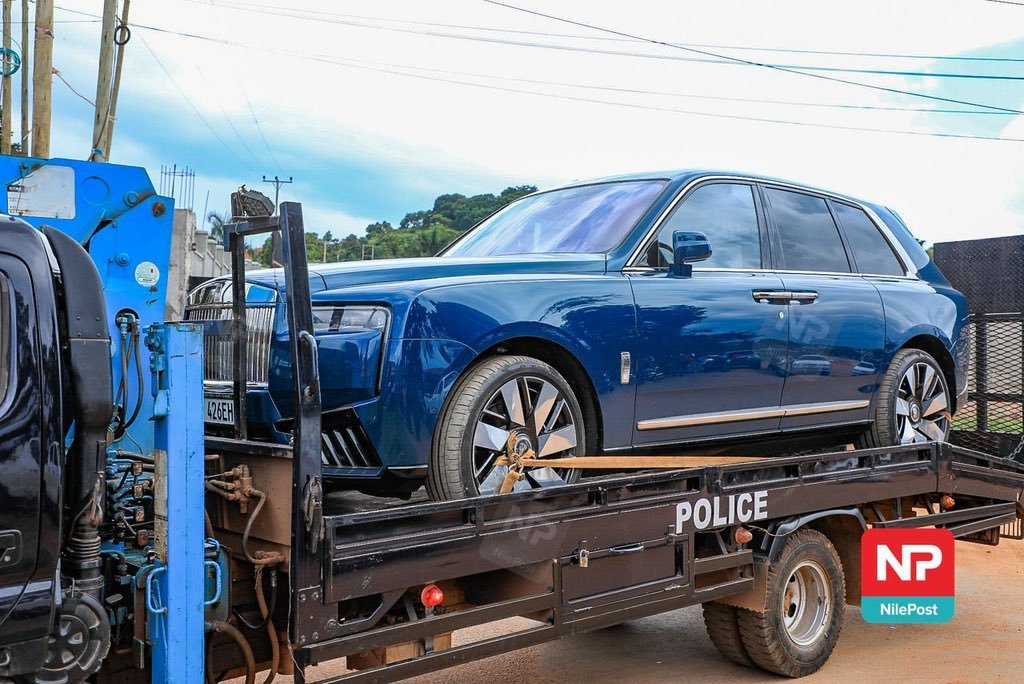
The incident began as a public plea for Rolls‑Royce to intervene on behalf of Anita Annet Among, a Ugodian government official whose new Rolls‑Royce was reportedly seized amid political controversy. The original appeal, addressed to “the custodians of excellence, dignity, and timeless craftsmanship,” urged the marque to “protect the sanctity of ownership and due process,” warning that “a Rolls‑Royce should never be humiliated in a public square.”
But within the same post, the tone shifted radically. The author declared that Rolls‑Royce “DOES NOT REPRESENT HONOR, DIGNITY, OR INTEGRITY,” citing two historical arguments:
- Colonial Complicity
While acknowledging no direct evidence linking founders Charles Rolls and Henry Royce to Atlantic slave trade money, the activist argued that Rolls‑Royce directly benefited from the British Empire’s colonial expansion in Africa and India. “It’s the Rolls‑Royce cars that were driven by colonial administrators, military enforcers, and their African and Indian collaborators who helped destroy any resistance to colonization.”
- Nazi-Era Slave Labor via BMW
Rolls‑Royce is now 100% owned by Germany’s BMW. The post then attached historical documentation showing that during WWII, BMW was a major supplier of aircraft engines to the Luftwaffe and used approximately 50,000 forced laborers, many from Dachau and Munich‑Allach concentration camps. By the end of the war, nearly half of BMW’s 50,000‑person workforce were concentration camp prisoners.
BMW has since officially admitted to these crimes, commissioned independent historical studies, and contributed to a compensation fund for former slave laborers—but the activist dismissed Western corporations as representing “inequality, slavery, and neo‑colonialism.”
Fallout & Irony
The reversal left many observers stunned: a plea for Rolls‑Royce to rescue its own dignity was immediately followed by a condemnation of the brand as a “neo‑colonial shark” willing to sell cars to anyone, including a government employee under sanctions, “without care whether she/he was a thief or not.”
The author concluded by leaving the decision to delete or keep the post up to a named individual, Sarah Bireete, adding: “It’s up to you now.”
Neither Rolls‑Royce Motor Cars nor BMW had issued an official response at the time of publication. Meanwhile, the confiscated Rolls‑Royce in Uganda remains at the center of a political firestorm—now inextricably linked to Dachau, colonial administrators, and the dark legacy of the Luftwaffe.
— End of article —
About The Author