
The Fox, Not the Lion: Museveni’s Strategic Restraint Signals a Masterclass in Political Control
By Andrew Mwenda
Analysis
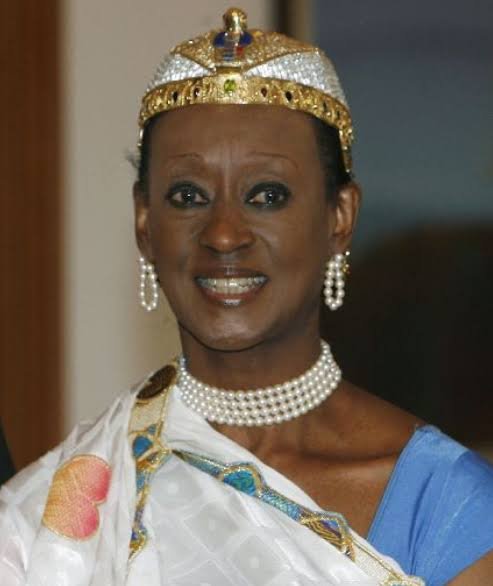
Many observers expected President Yoweri Museveni to unleash what they fear most—the lion. That side of him, known as a weapon of last resort, was widely predicted to strike against Speaker Anita Among amid revelations of her alleged misconduct.
But instead of a dramatic crackdown, it was the fox that showed up.
Museveni did not jail Among. With compelling evidence of her indiscretions at his disposal, he seemingly concluded that imprisonment was unnecessary. The shrewder move, he appears to have calculated, was to harness her political talents to manage Parliament while neutralizing her presidential ambitions.
For anyone acting as Museveni’s political handler, the logical step would have been to discreetly leak details of her accumulated wealth, making her vulnerable. A leader compromised by their own actions becomes eminently usable. This explains why Among was seen kneeling before the president in Bukedea, openly declaring that only he could rescue her from the consequences of her own greed.
The Unwritten Rules of Power
This is Politics 101. Across nearly every country on earth, the game is played the same way. Where exceptions exist, they arise from unique circumstances—not from the moral superiority of the players.
Museveni now enjoys the rare luxury of eating his cake and having it too. He retains a powerful, effective Speaker who can steer Parliament, but one who also follows his instructions without posing any threat to his succession plans. If Among ever deviates from the script, prison awaits—and the public would applaud the president for finally making “the right decision.” It is a brilliant trap.
The Bukedea Signal
The power dynamic was unmistakable that day in Bukedea. Museveni typically addresses senior public officials by their formal titles. Yet not once did he refer to Among as “Speaker.” Instead, he called her simply “Anita Among”—as if addressing a subordinate or a child. In an ideal arrangement, Parliament and the executive stand as equals. Among has instead placed the House under Museveni’s thumb, acting as his assistant. This was precisely the “sin” that her predecessor, Rebecca Kadaga, committed: she insisted on parliamentary independence.
Learning to Watch Without Rage
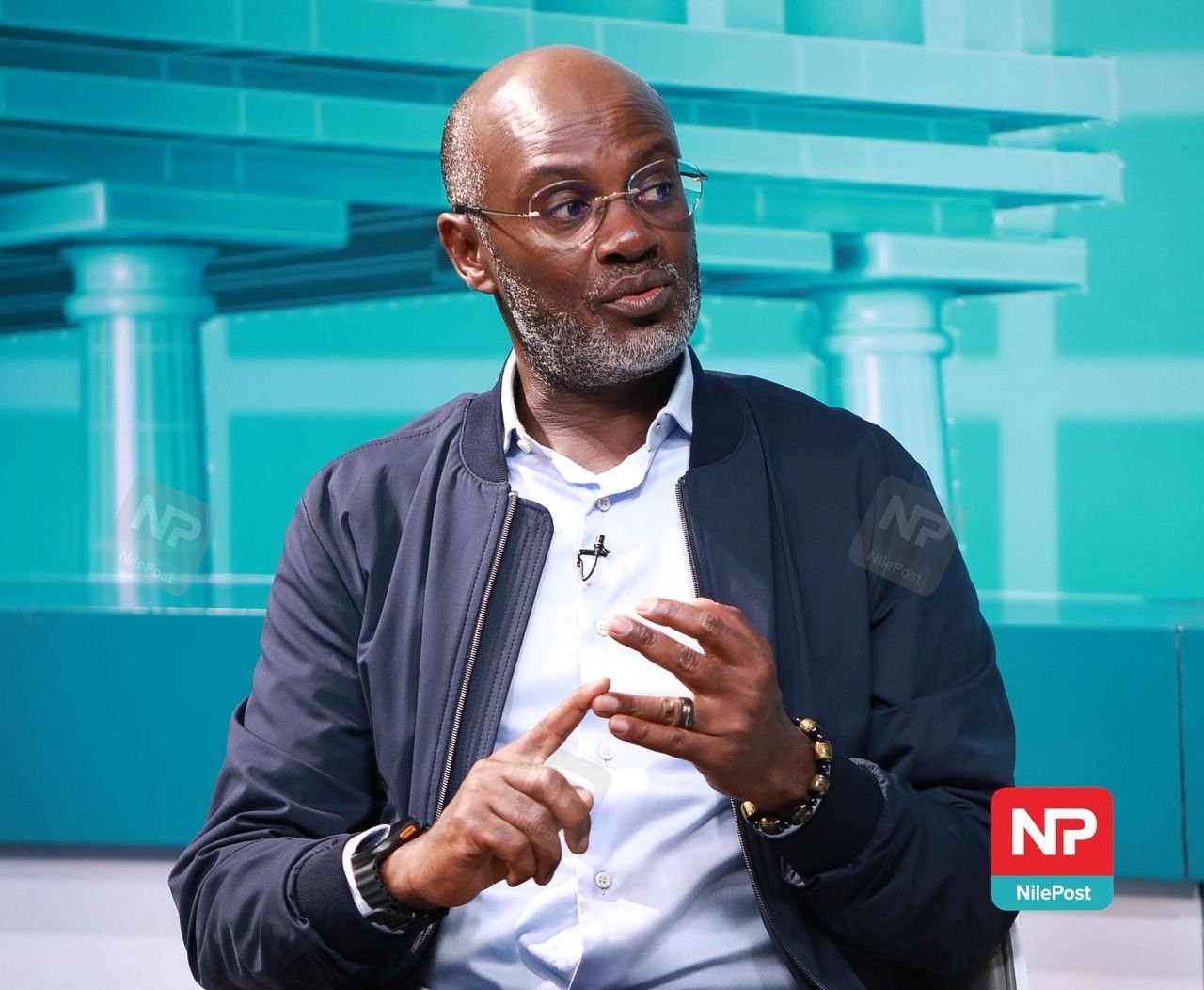
I have spent years studying politics—immersing myself in the systems of the USA and the UK, reading extensively on ancient Greece, Rome, and great-power rivalries. What I have come to understand is that Museveni’s behavior, however morally repugnant, is normal politics. Any of his critics, given the same position, would either act exactly as he does or fail. The only real difference between him and them is that he holds power, and they do not.
Once in power, the rules of the game demand such conduct. Those who refuse to play this way lose power. And the tragedy is that sacrificing your principles, losing office, and going home makes little sense—because there is no guarantee your successor will be bound by your moral scruples.
From Moral Fury to Clinical Detachment
When I was younger and considered myself intelligent, I reduced every judgment to a question of right and wrong. But years of reading have matured me. Now, older and, I believe, wiser, I am less prone to moral condemnation of what leaders do. Instead, I assess politicians with clinical detachment. This has been a liberating shift. It has freed me from partisan anger.
Without that anger, I no longer jump to the conclusions that righteous fury demands: that I am virtuous and the other party is evil. I can now study motivations with less moral baggage and even empathize with leaders’ dilemmas—even when their actions personally revolt me.
Welcome to the older, mature, and yes, wiser Andrew Mwenda.
About The Author