
Uganda’s UN Envoy Criticizes WHO Over Ebola Reporting, Warns of Economic Damage
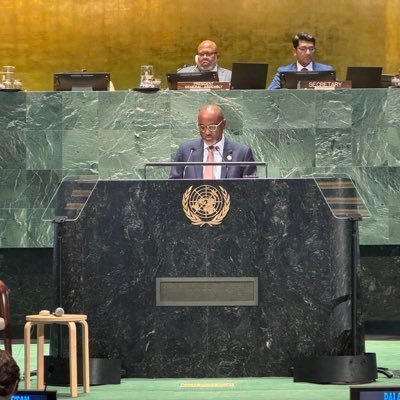
NEW YORK/KAMPALA – Uganda’s Ambassador and Permanent Representative to the United Nations, Adonia Ayebare, has launched a sharp critique of the World Health Organization (WHO), accusing the global health body of reckless and misleading reporting regarding the Ebola outbreak in the country.
In a statement released via his official channels, Ambassador Ayebare—who holds a PhD and serves as Uganda’s top diplomat at the UN—said that his long-standing concerns about the WHO, first ignited during the “spectacular mismanagement” of the COVID-19 response, have now been confirmed by the agency’s handling of the current Ebola situation.
While acknowledging that the WHO is obliged under the International Health Regulations (IHR) to report on public health outbreaks of international concern, Ambassador Ayebare insisted that such reporting must be factual and not serve as a “disguised fundraising effort.”
“None Applies to Uganda”
The Ambassador outlined what he believes should be the only legitimate basis for WHO outbreak reporting, including:
· Laboratory confirmed cases,
· Urban spread,
· Massive cross-border transmission, and
· Epidemiological studies.
“None applies to Uganda,” he stated firmly, dismissing any suggestion that the country currently meets these criteria for a major international alert.
Risk to Tourism and Investment
Ambassador Ayebare expressed particular frustration over what he called “WHO recklessness reporting,” which he said has been “amplified by biased media reporting.” He warned that such coverage has the potential to severely damage Uganda’s tourism sector and deter investment—key pillars of the nation’s economy.
“For days, there has been no Ebola reported in Uganda,” he noted, urging international media and global health bodies to reflect the current ground realities more accurately.
A Caution on Transparency
While expressing gratitude to all partners who are supporting Uganda’s Ebola response efforts, the Ambassador also issued a note of caution on financial transparency. He drew a contrast with the past era of USAID funding, alleging that during those days, “implementing agencies picked most of the money.”
He called for all current and future support to be transparent, ensuring that resources reach the intended response efforts rather than being absorbed by intermediaries.
Context
Uganda has faced several Ebola outbreaks in recent years, and while the country’s rapid response systems have been praised globally, officials remain sensitive to any reporting that might isolate the nation economically. Ambassador Ayebare’s comments reflect a growing tension between recipient nations seeking accurate representation and international health bodies aiming to mobilize rapid funding and awareness during health emergencies.
About The Author