
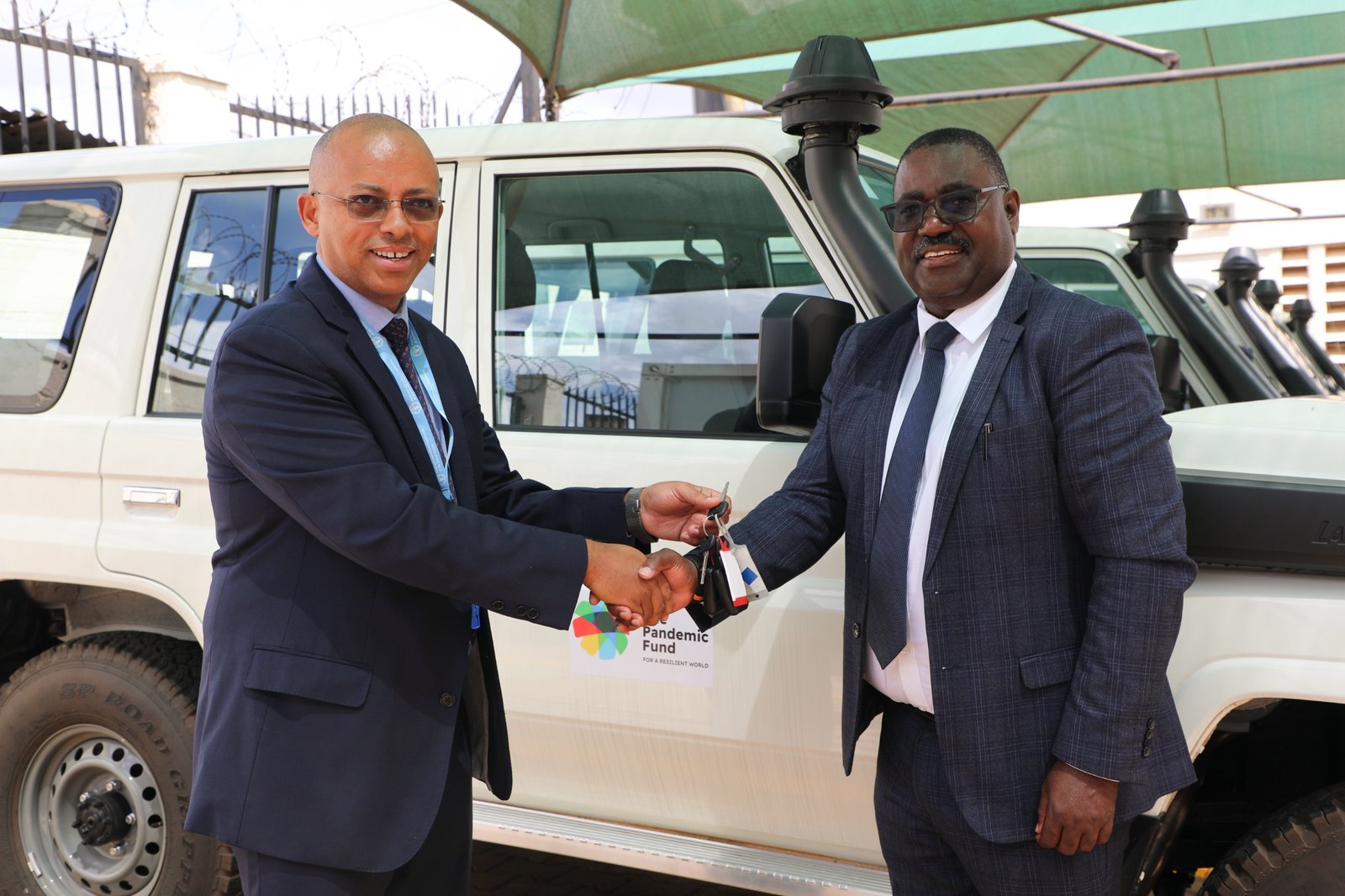
Food and Agriculture Organization of the United Nations (FAO) has handed over eight field vehicles to the Greater Virunga Transboundary Collaboration (GVTC) and Gorilla Doctors, this is to boost capacity to detect and respond to disease threats .
The vehicles are part of the Regional One Health Pandemic Prevention, Preparedness and Response project, funded by the World Bank Pandemic Fund and implemented by FAO in partnership with the World Health Organization (WHO) and UNICEF.
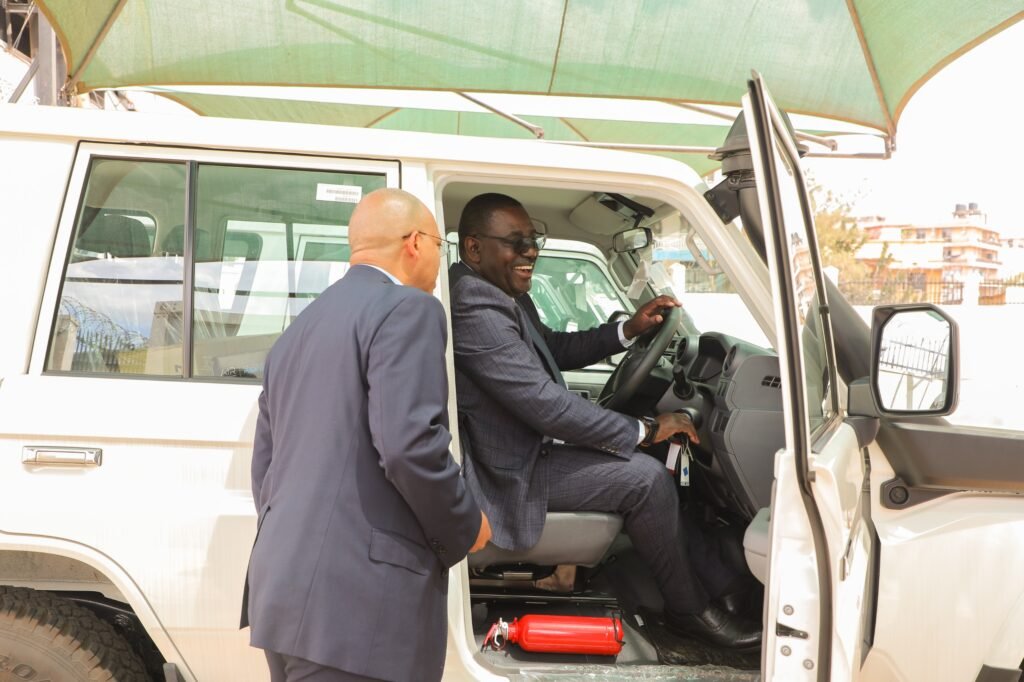
With improved mobility, field teams will now be better equipped to reach remote and high-risk areas, strengthen cross-border coordination, and accelerate disease surveillance and response efforts.
“This handover comes at a critical moment,” said Dr. Andrew G. Seguya, Executive Secretary of GVTC. “It strengthens our operational capacity and our ability to respond effectively to zoonotic disease threats, while reinforcing collaboration across borders under the One Health approach.”
He noted that more than 3,000 samples have already been collected through the project—an indication of growing momentum in strengthening surveillance systems across the region.
Dr Edson Katushabe, Resilient Systems and Readiness Officer at WHO, said the additional field support will improve the timeliness and efficiency of surveillance and response activities, particularly in underserved areas.
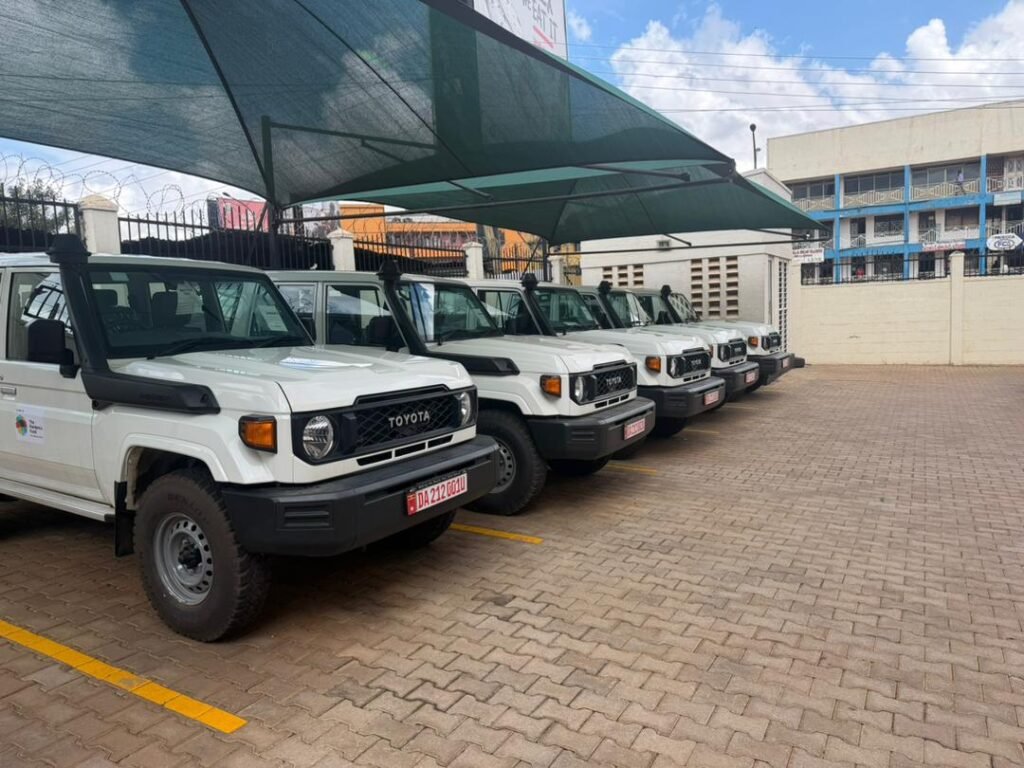
Speaking on behalf of UNICEF, Stefan Lawson, Chief of Health, emphasized that the vehicles will help extend services to the last miles, supporting surveillance, early warning systems, and rapid response in communities most at risk.
Conservation and health partners working in the landscape, including WWF, Gorilla Doctors, the International Gorilla Conservation Programme (IGCP), and the International Union for Conservation of Nature (IUCN), also welcomed the support.
FAO underscored that partnerships remain central to delivering results in complex ecosystems such as the Greater Virunga Landscape.
Spanning Uganda, Rwanda, and the Democratic Republic of Congo, the Greater Virunga Landscape is one of the world’s most biodiverse regions—but also one where close contact between people, livestock, and wildlife increases the risk of zoonotic disease transmission.
“This initiative reflects the One Health approach in action,” said Mr Ezana Kassa, FAO Representative in Uganda. “By strengthening field operations and coordination, we are helping protect livelihoods, safeguard biodiversity, and reduce the risk of future pandemics across the region.”
About the Pandemic Fund
The Strengthening One Health Preparedness, Prevention, and Response in the Greater Virunga Landscape (SOHGVL) project is a regional initiative bringing together Uganda, Rwanda and the Democratic Republic of Congo to reduce the risk of future pandemics at their source. Funded by the World Bank’s Pandemic Fund, the project is jointly implemented by the Food and Agriculture Organization of the United Nations (FAO), the World Health Organization (WHO), and UNICEF, in collaboration with key conservation and research partners. It focuses on the Greater Virunga Landscape, one of the world’s most biodiverse ecosystems, where close interaction between people, livestock, and wildlife increases the risk of zoonotic disease outbreaks.
With a budget of USD 24.5 million over 31 months, the project strengthens early warning systems, disease surveillance, and workforce capacity across human, animal, and environmental health sectors. It also promotes cross-border coordination and community engagement to detect and respond to health threats before they escalate.
About The Author