
Hon. Babalanda Presides Over Graduation of 2,000 Vocational Trainees in Bugweri District
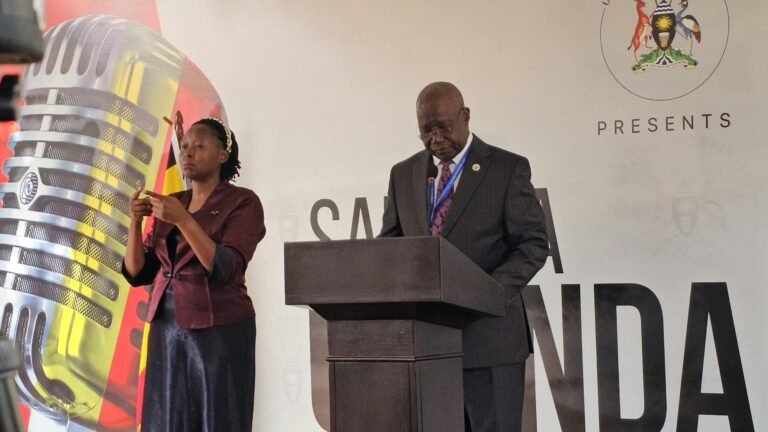
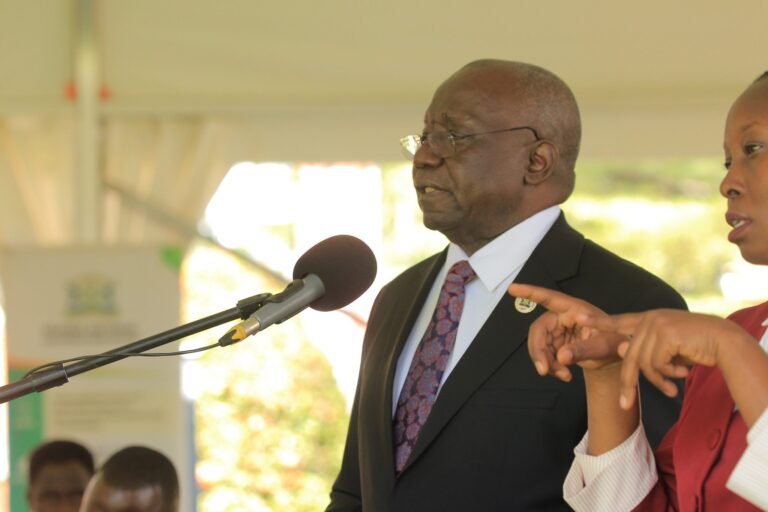
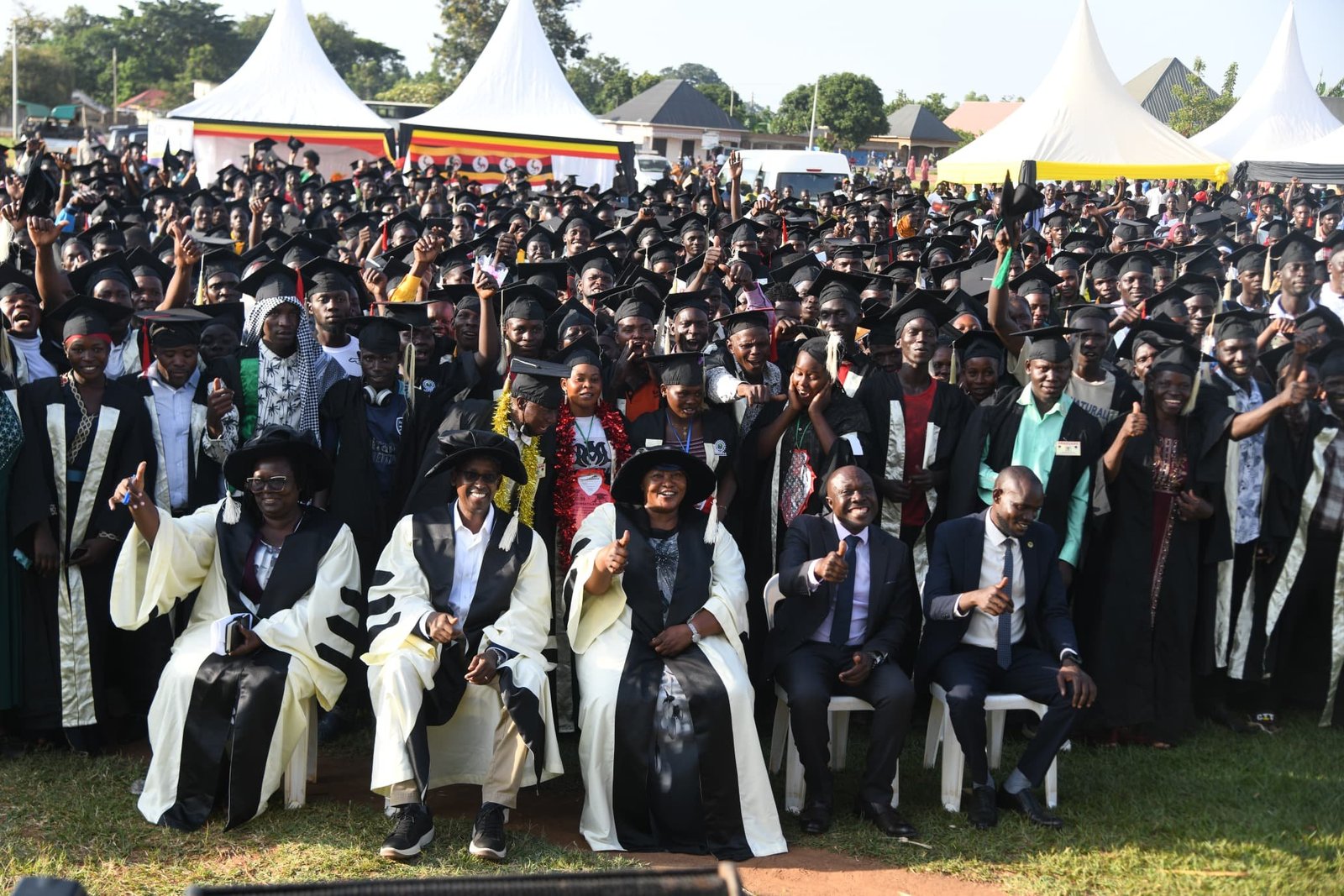
Bugweri District, Uganda – The Minister in charge of the Office of the Presidency, Hon. Babalanda Milly, yesterday presided over a grand graduation ceremony at Bugweri District Headquarters, where over 2,000 students received Directorate of Industrial Training (DIT) certificates in various vocational skills.
The graduates were trained under the Uganda Vocational and Technical Assessment Board (UVTAB) in partnership with the Ministry of Education and Sports, through the initiative of the Presidential Advisory Committee on Exports and Industrial Development (PACEID).
Addressing the gathering, Hon. Babalanda thanked the people of Bugweri District for massively voting for H.E. President Yoweri Kaguta Museveni for another term in office—a term the President has characterized as “Kisanja: No more sleeping, no more corruption.”
The Minister emphasized that the goal of promoting vocational skills in Uganda is to shift education from purely academic theory to practical, employment-focused training that addresses the country’s economic and social realities. With over 70% of Uganda’s population under the age of 30, and the formal job market unable to absorb all university graduates, she noted that vocational training provides young people with hands-on abilities in trades such as carpentry, mechanics, agriculture, bakery, building and construction, ICT, tailoring, and catering. This enables them to create their own jobs or secure employment in the private sector immediately after training.
As President Museveni focuses on driving Uganda’s economy toward upper-middle-income status, Hon. Babalanda observed that skilling is essential for economic growth and industrialization. Uganda’s Vision 2040 and the Parish Development Model both rely on a skilled workforce to transition from a subsistence to a modern, industrial economy. Vocational training supplies the technicians, artisans, and entrepreneurs needed in manufacturing, construction, agriculture, and services, while reducing dependence on imported labor and skills.
She further noted that vocational skilling promotes self-reliance and poverty reduction. Most Ugandans live in rural areas and depend on agriculture; vocational skills equip them to add value to local products, start small businesses, and generate household income. Programs such as PACEID, the Presidential Skilling Hub, the Parish Development Model, and Emyooga are built around this principle of practical self-reliance.
Unlike traditional education, which often produces graduates whose qualifications do not match employer needs, vocational training is designed with industry input to ensure that taught skills are relevant. It also provides an alternative pathway for students who may not proceed to university, including school dropouts, women, and rural youth, granting them a dignified way to earn a livelihood.
Hon. Babalanda extended salutations to the Ministry of Education and Sports, the Chairperson of PACEID and Senior Presidential Advisor Mr. Odrek Rwabwogo, the Directorate of Industrial Training (DIT), and Hon. Wandera Sadara, Member of Parliament for Bugweri District, for their noble initiative.
She congratulated the graduands who successfully qualified for DIT certificates and urged them to put their attained skills into practice—to transform their communities, fight poverty, serve, earn with dignity, and adopt a culture of saving.
“In a time when the world values what you can do, not just what you know, I once again commend Mr. Odrek Rwabwogo and the leadership of Bugweri District for showing the right path to the younger generation,” Hon. Babalanda concluded.
About The Author