
Russia Announces Easter Ceasefire, Strengthens Penalties for Denial of Soviet Genocide
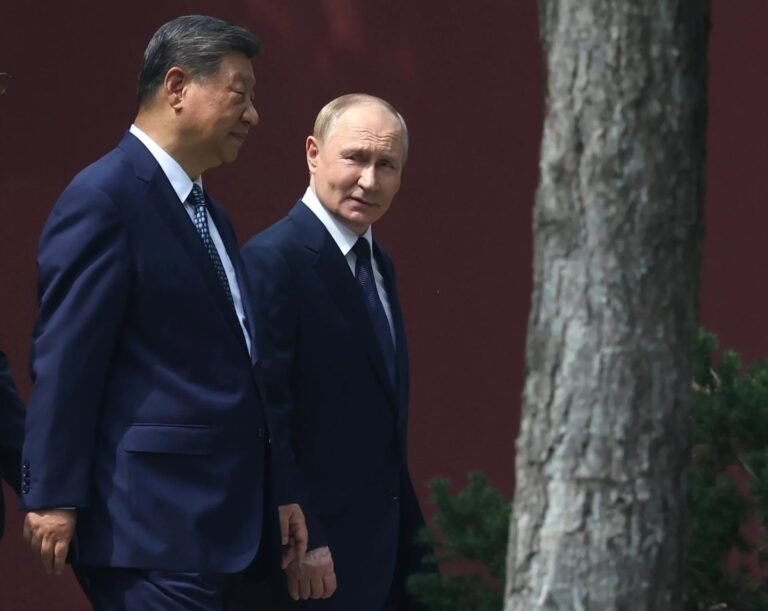
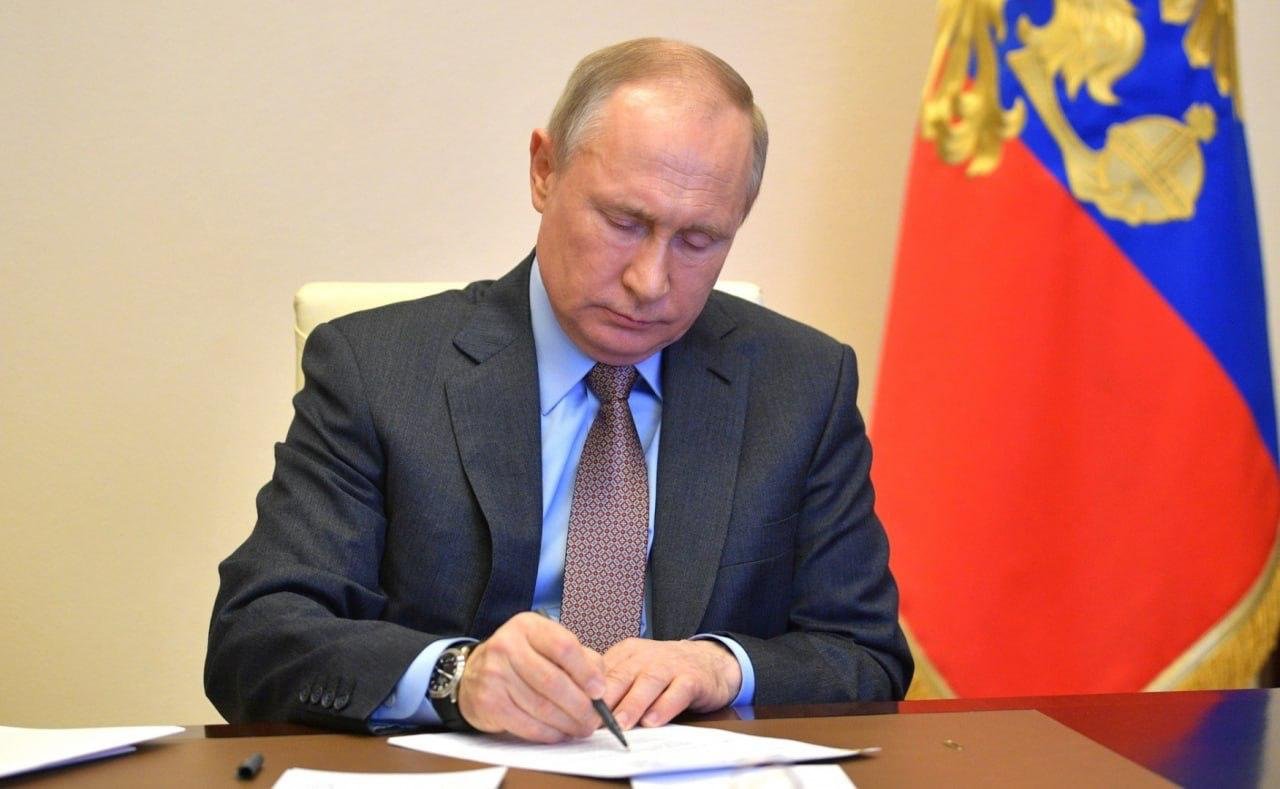
MOSCOW — President Vladimir Putin, in his capacity as Supreme Commander-in-Ch Chief of the Armed Forces of the Russian Federation, has ordered a temporary ceasefire in Ukraine ahead of Orthodox Easter, the Defence Ministry announced on Wednesday.
The cessation of hostilities will take effect from 4:00 p.m. on April 11 and remain in place until the end of April 12, 2026. Defence Minister Andrey Belousov and Chief of the General Staff Army General Valery Gerasimov have been instructed to halt combat operations in all areas for the duration of the ceasefire.
“Russian troops are to remain ready to repel any possible provocations by the enemy, as well as any aggressive actions on its part,” the ministry said in a statement. Moscow added that it expects the Ukrainian side to follow Russia’s example.
The move comes as Orthodox Christians prepare to celebrate Easter, one of the most significant holidays in the religious calendar.
New Criminal Liability for Desecrating Genocide Memorials
Separately, the Kremlin announced that President Putin signed a federal law on April 9 introducing criminal liability for acts committed against burial sites of victims of the genocide of the Soviet people, as well as for denying that genocide occurred and insulting the memory of its victims.
The law amends Articles 2434 and 3541 of the Criminal Code of the Russian Federation. It was adopted by the State Duma on March 24, 2026, and approved by the Federation Council on April 1, 2026.
According to an explanatory note accompanying the draft law, “historical memory is the foundation of a national and cultural identity that ensures continuity between generations, civic unity and the resilience of the state.”
Lawmakers argued that the deliberate destruction or distortion of memory regarding the Great Patriotic War and the genocide of the Soviet people constitutes a direct threat to national security, as it “severs the spiritual bond between generations, fragments society, erodes moral reference points and, as a result, weakens the country’s sovereignty.”
The legislation expands existing protections already enshrined in Article 3541 of the Criminal Code and Federal Law No. 80-FZ of May 19, 1995, which prohibit insulting the memory of defenders of the Fatherland and degrading the honour of Great Patriotic War veterans. The new provisions extend similar legal safeguards to the memory of civilians and prisoners of war who perished at the hands of the Nazis and their collaborators.
About The Author